How well do you know Harrow?
Most of the recorded history of Harrow focuses on ‘metroland’, yet the majority of the communities in Harrow arrived in the last 75 years. Now, the stories and heritage of these communities is in danger of being lost forever.
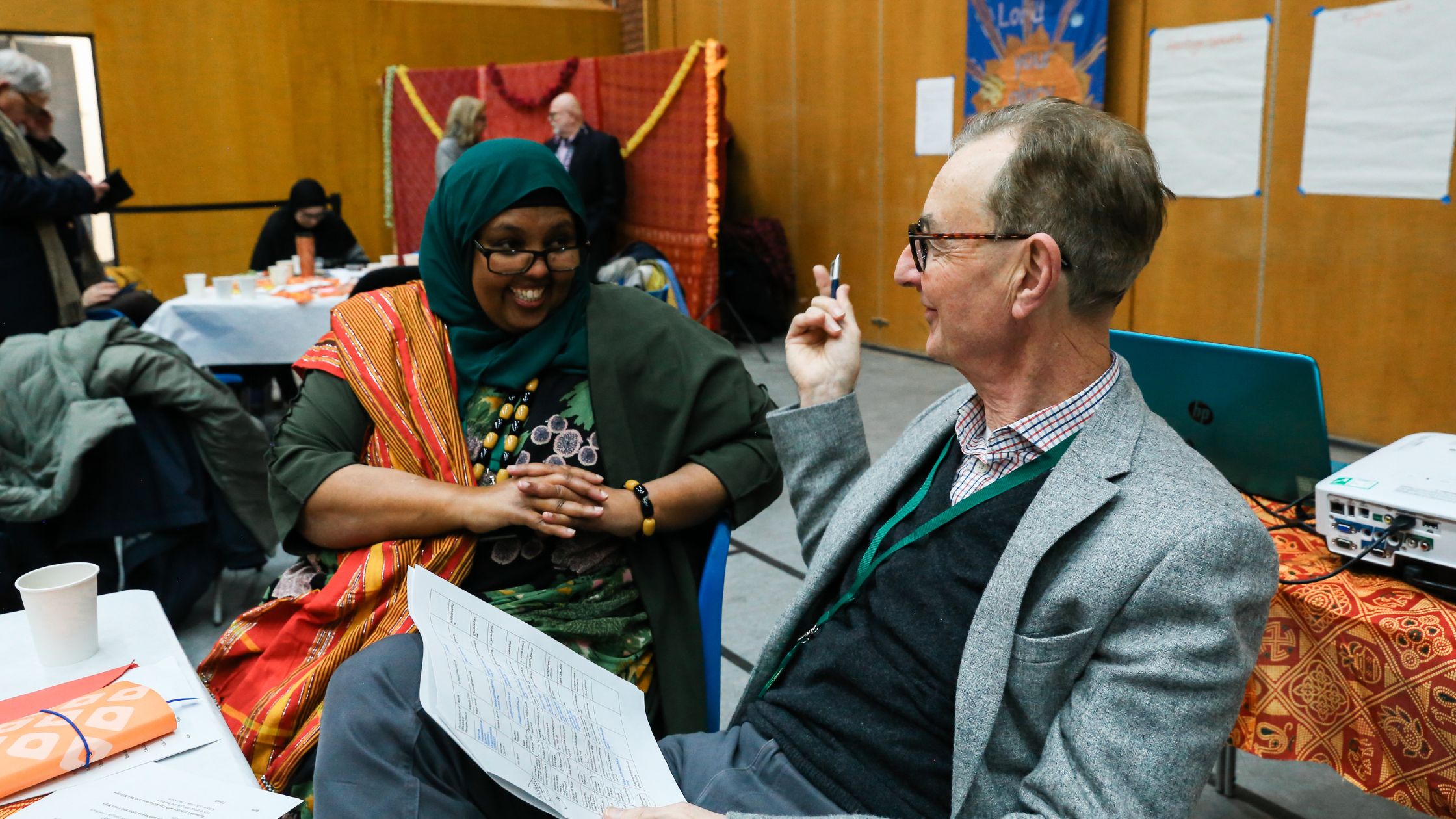
Through the Stories of Harrow project, sixteen groups are coming together to save and share the stories of their communities and the people who have made Harrow what it is today.
Come along to an event, or visit our exhibition at Headstone Manor Museum during the summer of 2026 and get to know Harrow a little better.
Event Calendar
Come along and get involved – there are lots of events being planned during 2026.
Click ‘Subscribe’ on the calendar to be notified when we add new events, or join our mailing list.
If you are part of the project and would like to submit an event for the calendar, please do so here.
The Stories of Harrow groups
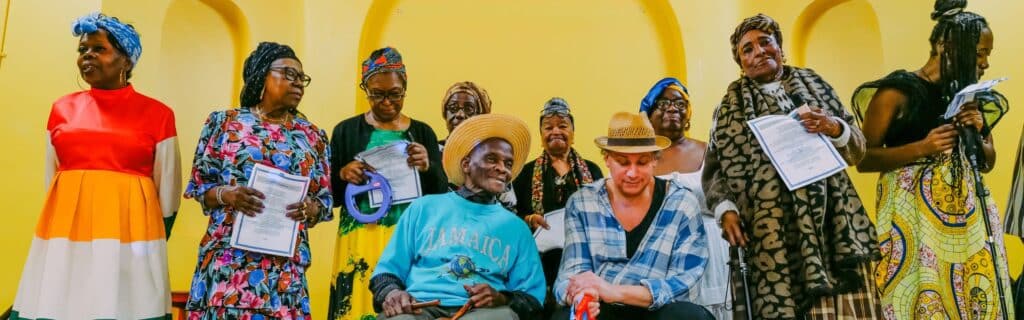
After WW2 Britain ran an advertising campaign to recruit nurses from their Caribbean homelands to work in the NHS. In their thousands they answered the call, yet upon arrival found a cold and often inhospitable country. But the NHS would not have been possible without them. This contradiction has shaped the lives of both these nurses and their families and communities for generations.
Bringing together the audio recordings of real lived experiences with historical records, the charity HACAS (Harrow African Caribbean Society) brings to life the memories of these ‘Nightingales from the Caribbean’ and their huge contribution to Harrow’s past and present, in spite of often open hostility and discrimination.

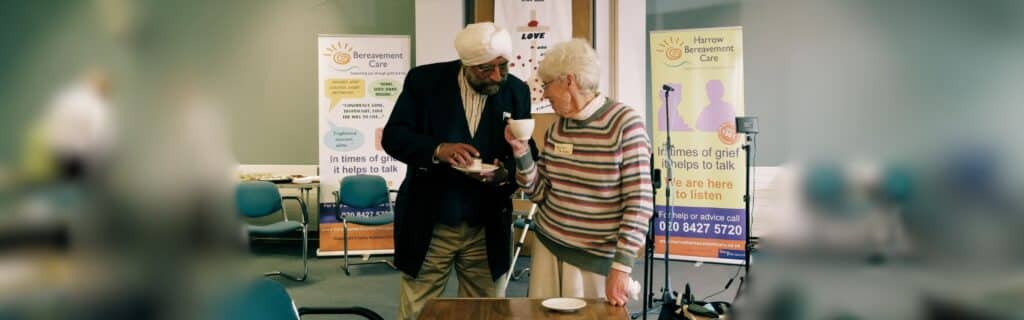
Losing someone you love can change everything. Grief is something we all share, yet no two experiences are the same.
The charity Bereavement Care is exploring the different cultural customs and rituals surrounding bereavement, recording deeply personal experiences and reflecting on how customs have changed over the years. These stories will raise awareness, empathy and increase understanding between the diverse communities of Harrow.

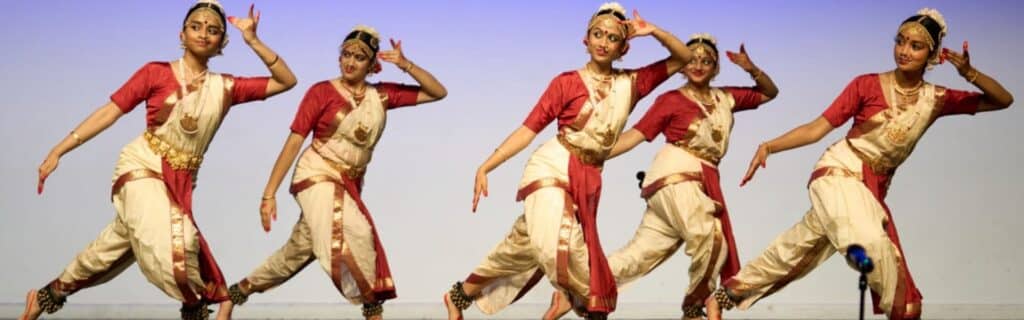
For over 35 years, Srishti has taught Bharatanatyam Indian Dance from their base at Harrow Arts Centre, nurturing generations of dancers and helping communities to connect with their cultural roots.
Bharatanatyam is a versatile classical Indian dance form originating in the temples of southern India. It is defined by its strong lines, geometric precision and expressive storytelling. Srishti are restoring and digitising materials, creating a physical and digital exhibition, and collaborating with local archives to celebrate Bharatanatyam’s evolution and significance in Harrow.

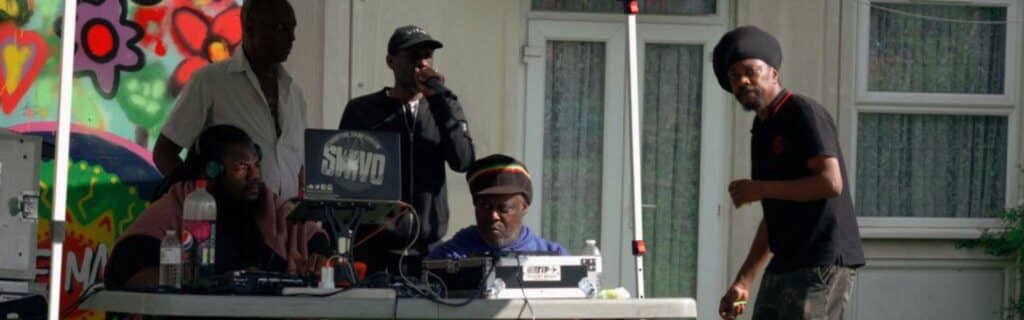
“Friends and families built the community – and the community built the sound”
My Yard is exploring the backstory of Jamaican Sound System communities in Harrow, telling the story of its formation in the 1970s by the Windrush generation and what it meant to the community. My Yard is capturing the voices of the selectors and MCs who fuel the Sound System, the spaces that host it and the people it has brought together, from front rooms to roadside corners, favourite meals to ludo games.

Without brave journalists, the world would never know what really happened during civil wars.
Mahamoud Dualeh is a renowned Somali journalist who settled in Harrow in the 1980s. He played a pivotal role in Somali radio, television, and the BBC World Service, chronicling key moments in the Somali community’s journey from civil war to rebuilding lives in the UK.
Harrow Association of Somali Voluntary Organisations (HASVO) are collecting interviews with Mahamoud Dualeh, his colleagues, and family members, alongside archival materials such as radio and TV recordings and photographs to honour the legacy of this journalist and ensure that the rich history of Somali migrants in Harrow is celebrated and safeguarded for generations to come.
From the institutions of the 60s to the assisted living of the 2000s, disabled people’s homes have always been a topic of controversy and struggle, which has reflected our society’s shifting ideas about what it means for us to have identity, humanity and autonomy. As local authorities begin raising the idea of institutions again to save money, Harrow Association of Disabled People (HAD) asks, who gets to decide where we live, and what are our choices worth?
Drawn from the real life stories of disabled people over the decades in their own words, HAD will take you through the little-known and deeply vital history of how disabled people lived here from 1965 to the present day, sharing with you the heritage of some of Harrow’s most marginalised—and most interesting—residents.

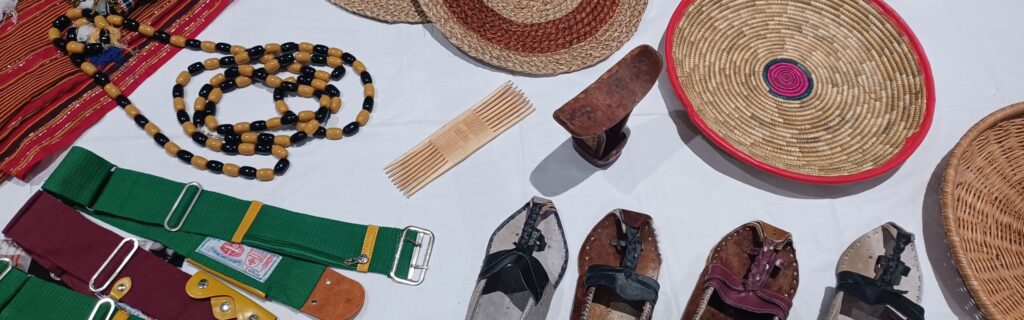
Many Oshwals, who originally from India and East Africa, arrived in the UK carrying their lives in a suitcase — a symbol of hopes, challenges, and resilience. Oshwals are largely followers of the Jain faith, an ancient religion originating from India. Through artefacts like handmade quilts, kitchen tools and traditional recipes, as well as audio recordings of personal stories, Oshwal Association of the UK (OAUK) share the lived experiences of their community and offer an insight into how Oshwal families have shaped Harrow’s cultural, social, and economic life.

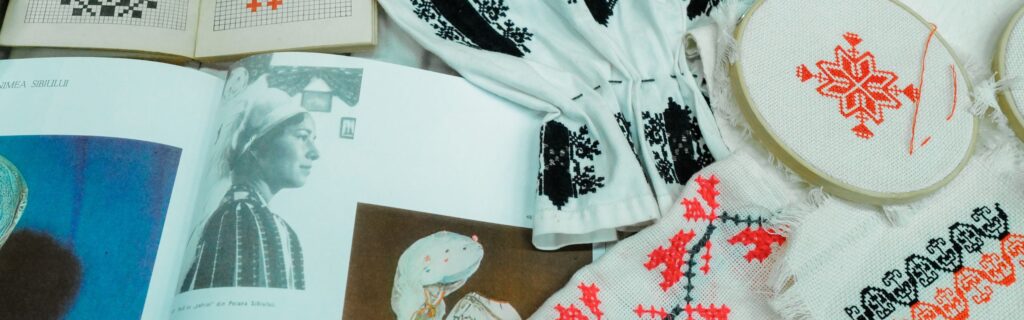
Everyone carries with them the memory of home and the embroidered threads of their ancestors.
For centuries, people have used embroidery to tell their stories and share their hopes and aspirations. RCCT CIC tell the story of the Romanian community in Harrow using traditional techniques, whilst passing these skills and knowledge down to a new generation.
Join RCCT’s embroidery workshops and learn how to tell your own story with thread.

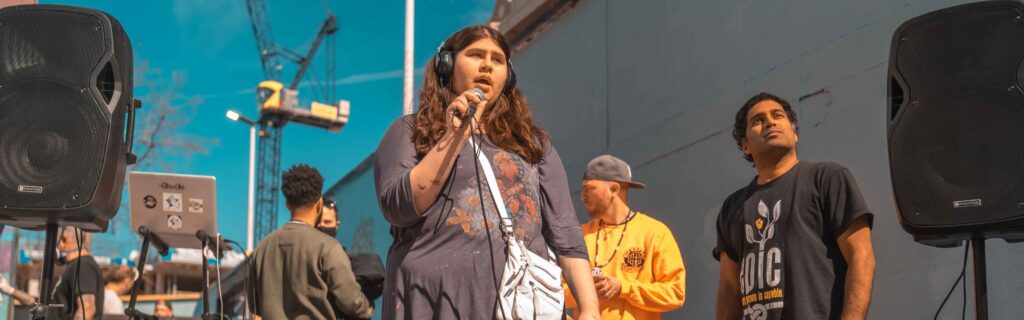
During the 1980s, Hip Hop Culture was giving vulnerable young people of Harrow a voice and a positive form of expression. There were ‘Hip Hop Jams’ taking place at the Trinity Bar where young people could learn to DJ, Breakdance, Graffiti and Rap.
Through a documentary, exhibition and jam, Every Person is Capable (EPIC) are sharing the history and impact of this subculture which offered a way for young people to raise their voices and find an alternative to crime and violence. Young people who have been part of Hip Hop programs run by EPIC & Ignite Youth will also be part of the project, sharing their stories and learning more about the historical and culturalsignificance of the movement they have been involved in

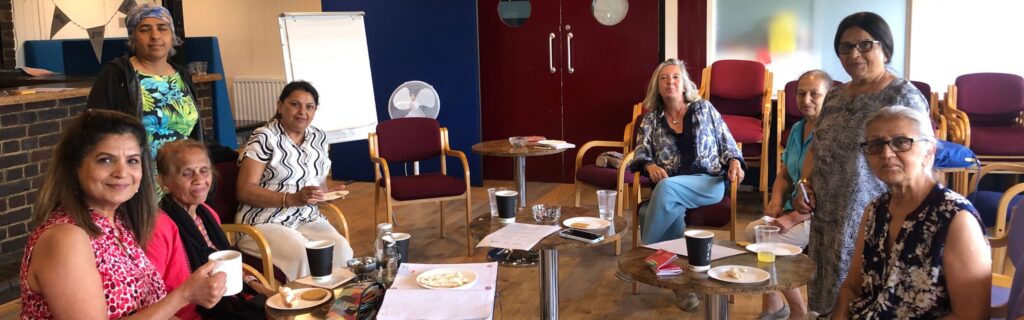
Families in Action Together celebrates the vibrant, diverse community of women in Wealdstone who have been attending the Families in Action Parents’ Group. They are exploring and documenting personal stories as the women come together in a shared space to support each other and reclaim permission to shape their own lives. These shared experiences become part of the local heritage, creating a tapestry of unity, strength and connection.
Stories are told through the cherished objects these women have brought with them—objects that connect them to their home countries while anchoring them in their new lives, highlighting the strength of community and the beauty of shared humanity.
Harrow Carers are exploring the stories of unpaid carers from India, Pakistan, Sri Lanka, Bangladesh, Romania who have provided care for elderly relatives, people with disabilities, and other dependents with great resilience and sacrifice, yet little or no recognition. The project captures personal stories, cultural traditions, and the informal networks they developed to support them, preserving the legacy of those who quietly sustain our community.

Harrow Carers are exploring the stories of unpaid carers from India, Pakistan, Sri Lanka, Bangladesh, Romania who have provided care for elderly relatives, people with disabilities, and other dependents with great resilience and sacrifice, yet little or no recognition. The project captures personal stories, cultural traditions, and the informal networks they developed to support them, preserving the legacy of those who quietly sustain our community.

Traditional Somali dance is deeply connected to the social fabric and identity of the Somali people. These dances have long been a means of storytelling, celebration, and community bonding. Reviving Links will capture the memories of the role dance played in Somali life, objects associated with them and document and preserve the intricate movements of the regional Somali dances from past and present dancers, creating living records for generations to come.

Music carries memory, identity and belonging.
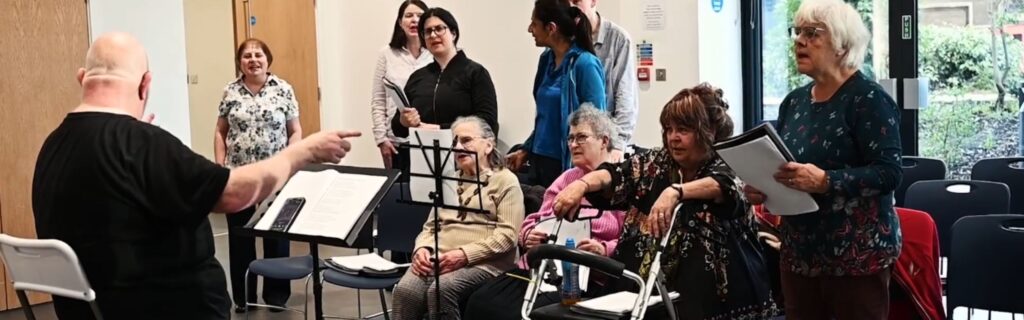
Sustaining Harmony (More Than Just A Choir) is exploring the connection between music, mental health, and community well-being within Harrow’s diverse communities. Through performances, exhibitions, and digital archives, Sustaining Harmony is capturing the great range of musical traditions and their impact on mental health in Harrow.

All languages carry political baggage.
Unique Community Charity is exploring how language can bring us both freedom and serve as a source of oppression and anguish. Bringing artists from Ukraine together with others who have recent experience of moving to Harrow, Unique are developing a new musical, showcasing their journey and stories, and an exploration of the role of language in their lives.
Across generations, Afro hair has been shaped by culture, survival, care and self-expression. From cornrows used to map escape routes during enslavement, to styles passed down through mothers, aunties, barbers and friends, Afro hair has always told a story.
Zest of Mind are passing on knowledge and skills to young people in intergenerational community workshops, with young people speaking about hair as a first lesson in identity — with moments of tenderness, frustration, creativity, and belonging, viewing Afro hair not as fashion, but as living heritage.

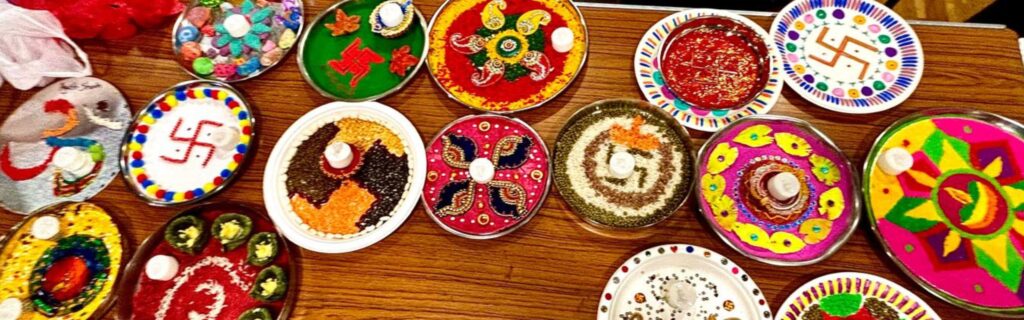
Zoroastrian Trust Funds of Europe are celebrating the stories of Zoroastrians, followers of one of the world’s oldest monotheistic religions, who journeyed to England from countries including India, Africa and Iran. They are capturing experiences of migration, resilience, and adaptation, reflecting the enduring flame of a faith that has shaped civilisations for over 3,000 years.
This project will allow future generations and wider communities to understand and learn the unique stories that Zoroastrians hold; so that their memories, experiences, joys and hardships are not forgotten and cherished.
Made possible thanks to funding from the National Lottery Heritage Fund and delivered in collaboration with Harrow Council and Headstone Manor Museum.